
Southeast Asia has emerged as a global leader in sustainable tourism development, with countries across the region implementing innovative eco-friendly practices that balance economic growth with environmental conservation. From Thailand's community-based tourism initiatives to Indonesia's marine conservation programs, the region is setting new standards for responsible travel.
The shift toward sustainable tourism has been driven by both local communities and international travelers who increasingly prioritize environmental responsibility and cultural preservation. This transformation is reshaping how destinations market themselves and how visitors experience the region's natural wonders and rich cultural heritage.
Community-Led Conservation Efforts
Local communities are at the forefront of sustainable tourism initiatives, developing programs that protect their natural environment while providing economic opportunities for residents.
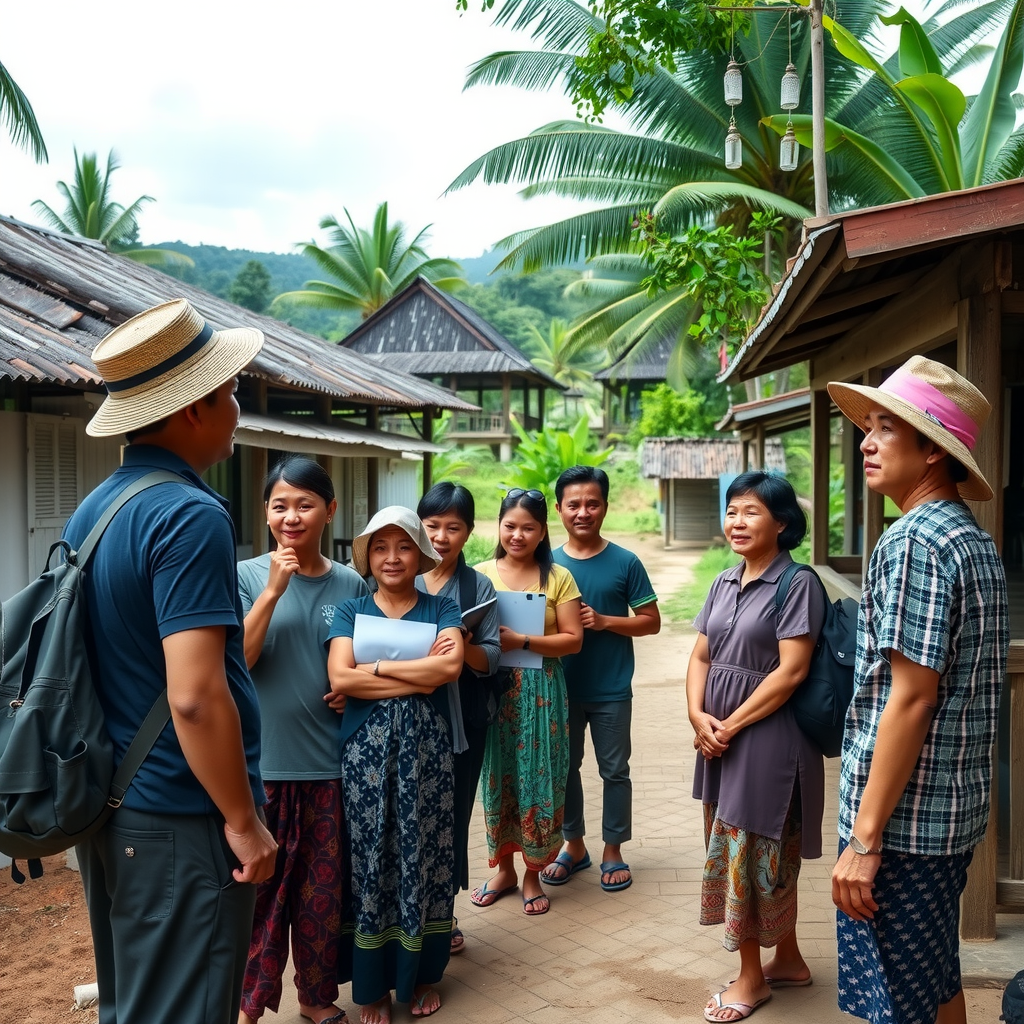
In rural Thailand, village cooperatives have established homestay programs that allow visitors to experience authentic local life while generating income for families. These programs emphasize cultural exchange and environmental education, with guests participating in traditional farming practices and learning about sustainable agriculture techniques that have been passed down through generations.
Vietnam's Sapa region has implemented trekking guidelines that limit group sizes and designate specific trails to prevent erosion and protect fragile mountain ecosystems. Local ethnic minority guides lead these tours, sharing their knowledge of the land while ensuring that tourism benefits their communities directly.
Marine Conservation and Coastal Protection
Southeast Asia's stunning coastlines and coral reefs face significant threats from overtourism and climate change. In response, several destinations have pioneered marine conservation programs that engage both tourists and local communities in protecting these vital ecosystems.

The Philippines has established marine protected areas around popular diving destinations, implementing strict regulations on boat anchoring and visitor numbers. Dive operators now offer coral restoration experiences where tourists can participate in reef rehabilitation projects, learning about marine ecosystems while contributing to conservation efforts.
Indonesia's Raja Ampat region has introduced a conservation fee for all visitors, with funds directly supporting marine patrol programs and community development initiatives. This model has proven successful in reducing illegal fishing and protecting one of the world's most biodiverse marine environments.
Key Sustainable Tourism Initiatives
Plastic-Free Zones
Destinations eliminating single-use plastics and promoting reusable alternatives
Community Partnerships
Local ownership and profit-sharing in tourism ventures
Wildlife Protection
Ethical wildlife tourism and habitat conservation programs
Eco-Friendly Accommodation Revolution
Hotels and resorts across Southeast Asia are reimagining their operations to minimize environmental impact. From solar-powered boutique hotels in Bali to zero-waste beach resorts in Thailand, accommodation providers are proving that luxury and sustainability can coexist.

Many properties have implemented comprehensive sustainability programs including rainwater harvesting, organic waste composting, and renewable energy systems. Some resorts have gone further, creating their own organic farms to supply restaurants and offering guests educational programs about sustainable living practices.
The trend extends beyond high-end resorts. Budget accommodations and hostels are also adopting green practices, with many achieving certification from international sustainability organizations. This democratization of eco-friendly travel options makes sustainable tourism accessible to travelers across all budget ranges.
Cultural Heritage Preservation
Sustainable tourism in Southeast Asia extends beyond environmental concerns to encompass cultural preservation. Communities are developing tourism models that celebrate and protect traditional ways of life while providing authentic experiences for visitors.
In Cambodia, temple conservation projects at Angkor Wat involve tourists in restoration efforts, creating awareness about the importance of preserving ancient monuments. Visitors can participate in workshops led by local artisans, learning traditional crafts while supporting the continuation of cultural practices.

Myanmar's cultural tourism initiatives focus on supporting traditional performing arts and handicrafts. Revenue from cultural tours directly funds schools where young people learn traditional music, dance, and craft techniques, ensuring these art forms survive for future generations.
Traveler Education and Engagement
The success of sustainable tourism depends heavily on traveler awareness and participation. Tour operators and destinations are investing in educational programs that help visitors understand their environmental and cultural impact.
Pre-trip briefings now commonly include information about local customs, environmental sensitivities, and responsible behavior guidelines. Many tour companies provide reusable water bottles and shopping bags to guests, while restaurants offer incentives for choosing plant-based meals that have lower environmental impact.
Digital platforms and mobile apps are making it easier for travelers to make sustainable choices. Apps now help tourists find eco-certified accommodations, locate plastic-free restaurants, and connect with community-based tour operators. This technology integration is making responsible travel more convenient and accessible.
Impact by the Numbers
Reduction in plastic waste at participating resorts
Increase in community tourism income
Of travelers willing to pay more for sustainable options
Challenges and Future Outlook
Despite significant progress, sustainable tourism in Southeast Asia faces ongoing challenges. Balancing economic development with conservation remains difficult, particularly in destinations heavily dependent on tourism revenue. Infrastructure limitations and the need for consistent enforcement of environmental regulations continue to pose obstacles.
Climate change presents an existential threat to many of the region's most popular destinations. Rising sea levels endanger coastal communities, while changing weather patterns affect agricultural tourism and wildlife habitats. The tourism industry must adapt to these realities while working to minimize its own carbon footprint.

Looking ahead, experts predict continued growth in sustainable tourism practices across Southeast Asia. Regional cooperation on environmental standards, increased investment in green infrastructure, and growing consumer demand for responsible travel options all point toward a more sustainable future for the industry.
The transformation of Southeast Asian tourism demonstrates that economic prosperity and environmental stewardship can go hand in hand. As more destinations embrace sustainable practices and travelers prioritize responsible choices, the region is establishing itself as a model for how tourism can benefit both people and planet.
The Path Forward
The momentum behind sustainable tourism in Southeast Asia represents more than a trend—it reflects a fundamental shift in how the region approaches travel and hospitality. By prioritizing environmental conservation, cultural preservation, and community benefit, Southeast Asian destinations are creating a tourism model that can sustain both natural wonders and local livelihoods for generations to come. As travelers increasingly seek meaningful, responsible experiences, the region's commitment to sustainability positions it as a leader in the global tourism industry's evolution toward a more ethical and environmentally conscious future.